
Build an approval‑ready credit profile
Understand what’s driving your credit decisions, identify items that may be unfair or inaccurate, and take a structured next step toward stronger approvals and better terms.
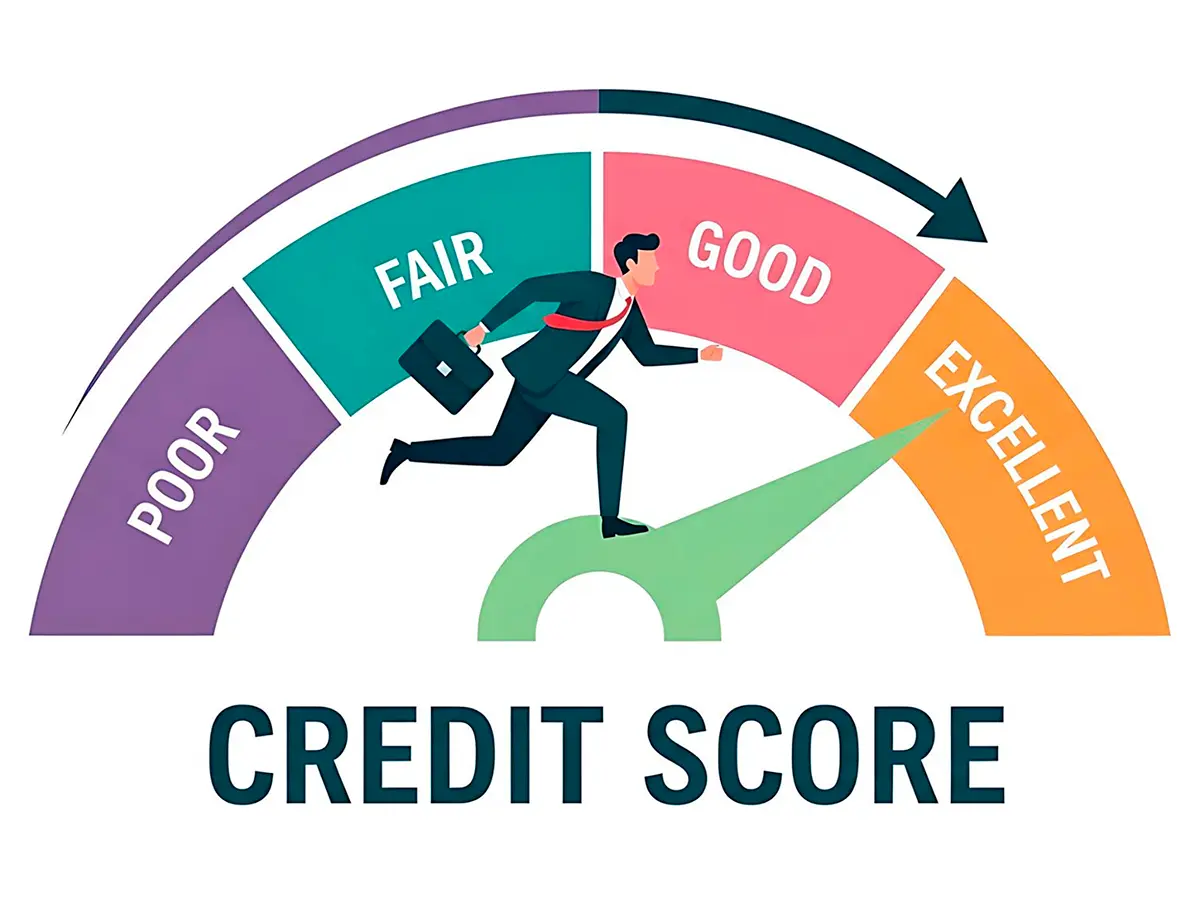
Built around established U.S. credit reporting practices and dispute procedures under the Fair Credit Reporting Act (FCRA). No unrealistic promises—just clarity, documentation, and structured credit improvement.
Unlock more options
Choose the outcome you care about. We’ll outline what improves it—and what to watch for—so you can move forward with confidence.
Your path to stronger credit
A stronger credit profile can mean better approval odds, improved loan terms, and more financial flexibility. Get a clear, no-fluff overview of what credit improvement can help you achieve — then take the next step when you're ready.
Credit decisions in the U.S. are typically influenced by payment history, utilization ratios, account age, recent inquiries, and the accuracy of reporting across major credit bureaus.
Even small inconsistencies can affect lending algorithms. A structured credit improvement approach focuses on verified data, responsible usage patterns, and consistent financial behavior.
*Results vary. This page does not guarantee outcomes.
How it works
A straightforward workflow used by reputable credit‑support programs: review, challenge what’s questionable, and build stronger habits while updates are processed.

Review your starting point
Clarify your goal and look at what’s currently affecting approvals and terms.

Identify what can be challenged
See what information is typically needed, what to expect next, and how the workflow usually looks.

Move forward
Continue to explore available options and take the next step toward better credit outcomes.
quick fix credit repair realities and smarter next steps
I typed those words because I needed results fast, not a lecture. As a first-time planner, I wanted to raise my score enough to clear a rate hurdle, ideally this month. I also didn't want to break anything. Here's what actually moves a score quickly - and what's noise.
What a "quick fix" can and can't do
- Can: correct reporting mistakes, lower revolving utilization, update balances mid-cycle, and remove duplicate or outdated negatives.
- Can't: erase accurate late payments or bankruptcies overnight, guarantee deletion of valid collections, or create a "new identity." CPNs, file segregation, and rented tradelines are risky or illegal.
Fast actions I completed in an afternoon
- Pulled all three reports and scores. I compared names, addresses, and accounts. Two balances were stale; one collection showed paid but not updated.
- Filed targeted disputes. I uploaded statements proving the paid collection and asked for balance corrections. I avoided disputing accurate negatives; a blanket dispute can backfire.
- Attacked utilization. I paid down the card nearest its limit first. Then I asked for a soft-pull credit limit increase on my oldest card to drop utilization further. One issuer offered mid-cycle reporting after payment; I requested it.
- Called a collector. For a small medical item, I asked whether payment would trigger deletion. Not a promise, but they agreed in writing before I paid.
- Tuned authorized-user effects. I removed myself from a maxed-out AU card and stayed on the older, clean one. That reduced utilization without opening a new account.
Small real-world moment: at a used-car lot on a Thursday, the finance manager said a 10-point bump by Monday would push me into a lower APR tier. I paused, then paid the high-utilization card that afternoon and asked the issuer to refresh the balance early. By Monday, the update posted to one bureau; the offer improved just enough.
Next 30 days to lock gains
- Schedule payments to post before each statement cut date so reported balances stay low.
- Send concise goodwill requests for any isolated late where you've since been perfect.
- Keep applications on pause; new hard pulls can offset the gains you're chasing.
- Track dispute outcomes and follow up with the furnisher and bureau if clocks slip.
Red flags and myths to skip
- Anyone selling "credit sweeps," seasoneds, or CPNs.
- Upfront fees without a written agreement and a clear cancellation policy.
- Advice to dispute everything regardless of accuracy.
How pros actually help
- They sort the paper trail, draft precise disputes, and escalate with furnishers or regulators when responses are incomplete.
- They coach utilization strategies tailored to your limits, due dates, and scoring model.
- If lawsuits or identity theft are involved, they coordinate with attorneys and freeze/fraud alerts properly.
Quick decision guide
- Need a bump this week: pay down revolving balances, request mid-cycle updates, correct obvious errors.
- Have 30 - 60 days: goodwill letters, pay-for-delete where allowed, consistent low utilization.
- Complex errors or legal issues: speak with a nonprofit counselor or consumer-law attorney.
There isn't magic, but there is speed where data is wrong or utilization is high. Tackle those first, document everything, and let time handle the rest. That balance gives me confidence I'm moving fast without cutting corners.
Quick Fix Credit Solutions is a one-stop-shop for all your credit consulting needs. We have helped our clients achieve their goals and dreams.
Call us at 877-987-8425 or visit our website at quickfixcreditsolutions.com to schedule a FREE consultation. #creditrepair #creditsweep #credithacks #repos # ...
Let's give your credit a quick fix. We are a one-stop- shop for all your credit consulting needs. We have helped our clients achieve their goals and dreams ...
Frequently asked questions
A clear next step — without the guesswork
See what’s impacting approvals and what may deserve a closer look.
Understand how disputes are structured and what documentation matters.
Improve utilization, consistency, and long-term credit stability.
See what improving your credit could change
Take a structured next step based on your current profile — and decide with clarity.